Understanding the Need for Professional Home Health Care
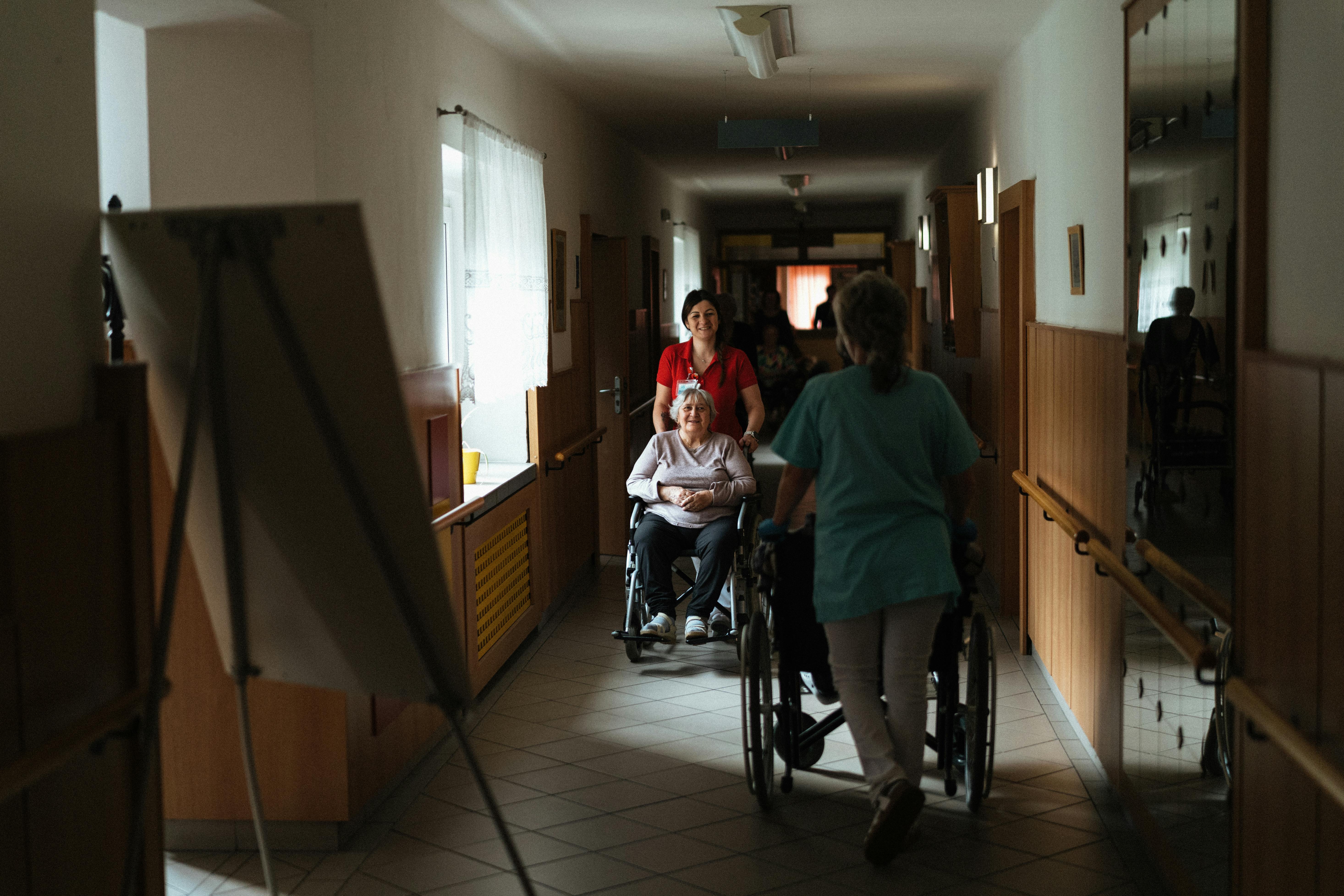
As we navigate through 2026, the landscape of home health care in Carmel, Indiana, is evolving to meet the diverse needs of our aging population. Whether you're a family member or a close friend, recognizing when your loved one needs professional help can be challenging. This guide will help you identify the clear indicators that suggest it's time to consider professional home health care services.
Signs Your Loved One Might Need Home Health Care
1. Difficulty Managing Daily Activities
One of the most apparent signs that it's time for professional assistance is when daily activities become overwhelming. If your loved one struggles with personal hygiene, meal preparation, or maintaining their home, it may be time to seek help from a home health care provider.
2. Frequent Falls or Mobility Issues
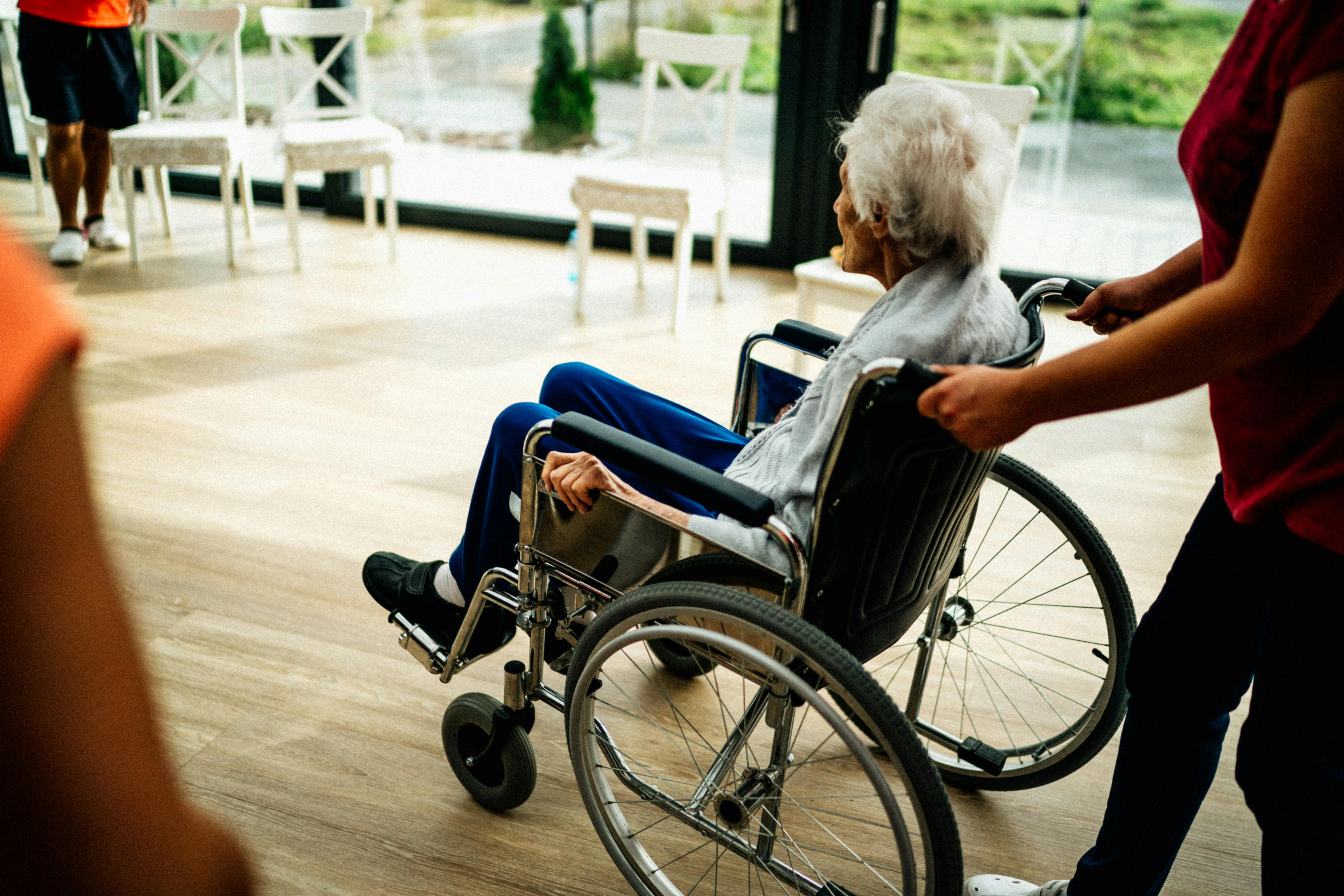
Mobility issues can pose significant risks, especially if your loved one lives alone. Frequent falls, difficulty standing or walking, and balance problems are critical signs that they need professional evaluation and support to prevent injuries.
3. Chronic Health Conditions
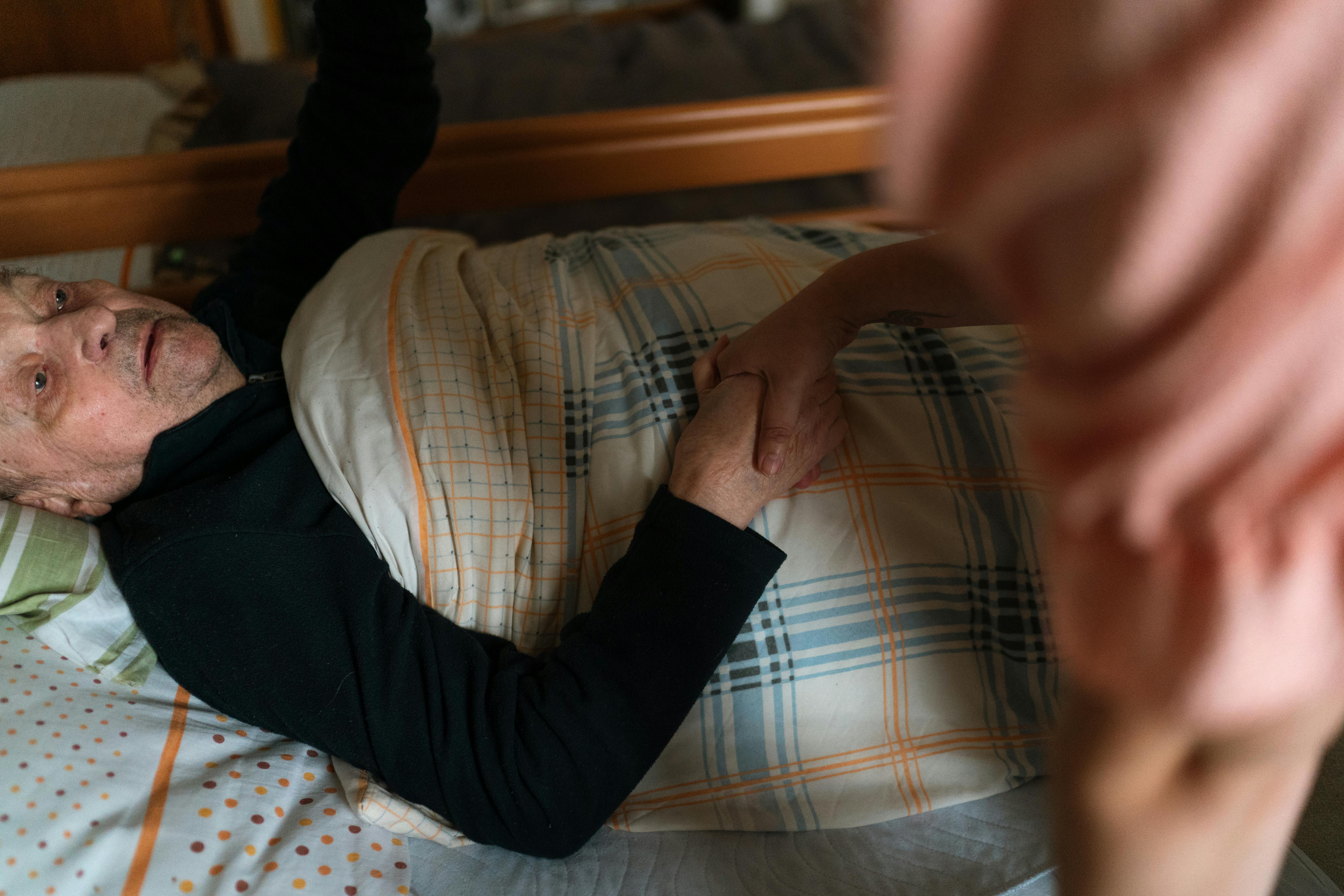
Chronic conditions like diabetes, heart disease, or arthritis can become more challenging to manage without professional assistance. Home health care professionals can provide medical monitoring, medication management, and therapeutic interventions that are necessary for maintaining their health.
Emotional and Behavioral Indicators
4. Social Isolation
Social isolation is a growing concern among seniors, leading to depression and anxiety. If your loved one is withdrawing from social activities or exhibiting signs of loneliness, professional caregivers can provide companionship and encourage community engagement.
5. Cognitive Decline
Signs of cognitive decline, such as forgetfulness, confusion, or difficulty concentrating, can indicate the need for professional care. Specialists in dementia and Alzheimer's care can offer tailored support, ensuring safety and enhancing the quality of life.
6. Changes in Mood or Behavior
Sudden changes in mood or behavior, such as irritability, aggression, or apathy, can indicate underlying health issues that require professional attention. Home care professionals are trained to handle these situations with empathy and expertise.
Practical Considerations for Home Health Care
7. Caregiver Burnout
If you or other family members are primary caregivers and are experiencing burnout, it's essential to consider professional home health care. This support can relieve stress and ensure your loved one receives the quality care they deserve.
8. Increased Doctor Visits
Frequent visits to healthcare providers may signal that your loved one's health needs exceed what you can manage at home. Home health care services can coordinate with medical professionals to provide consistent care and reduce unnecessary trips.
Taking the Next Steps
If you recognize any of these signs in your loved one, it's crucial to act promptly. Life and Favor Home Care LLC, located in Carmel, Indiana, offers comprehensive home health care services tailored to meet the unique needs of your family. Our team of dedicated professionals is committed to enhancing the quality of life for your loved ones while providing peace of mind for you.
Why Choose Life and Favor Home Care LLC?
Our approach is centered around compassion, respect, and personalized care. With a wide range of services, including personal care, companionship, skilled nursing, and specialized care, we are equipped to address various health and wellness needs.
Contact us today to learn more about how we can support you and your family in Carmel, Indiana, during this critical time. Our experienced team is here to guide you through every step of the process, ensuring your loved ones receive the care and attention they deserve.
Conclusion
Recognizing the signs that indicate the need for professional home health care is crucial for the well-being of your loved ones. By staying informed and proactive, you can ensure they receive the appropriate care and support, enhancing their quality of life and easing the burden on family caregivers.